
Taking care of your eyes is just as essential as looking after the rest of your body. However, many people in the UK delay or skip routine eye examinations. In this article, we’ll explain the importance of regular eye checkups, how they help detect early signs of eye disease and other health issues, and why you should never ignore them.
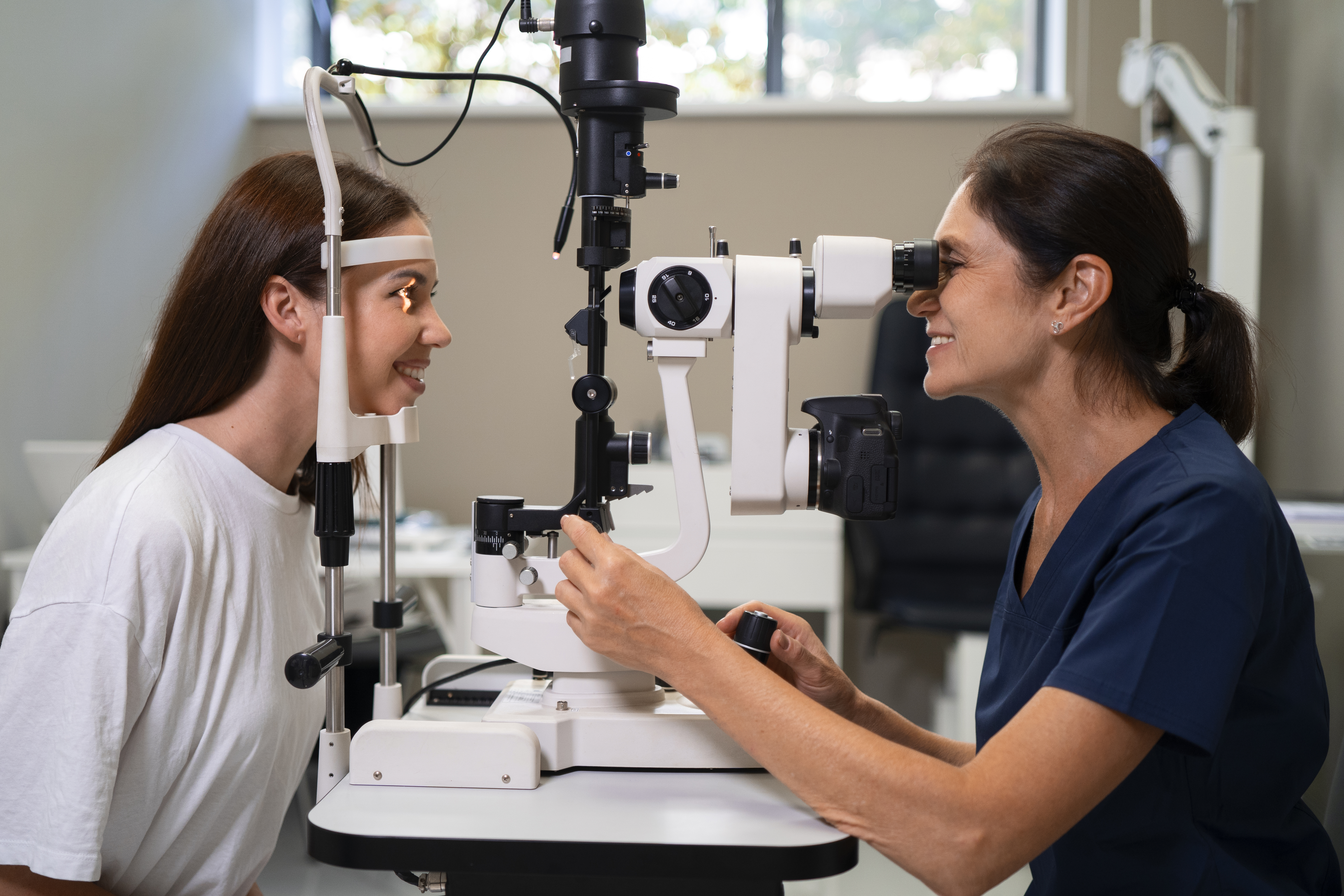
Why Eye Checkups Matter
It’s easy to assume that if your vision feels fine, your eyes must be healthy. But many eye conditions develop gradually and silently. Regular eye tests can detect problems early, often before you notice symptoms, making treatment more effective.
Early Detection of Eye Diseases
Routine eye exams are critical for catching serious eye conditions early, such as:
-
Glaucoma – Known as the “silent thief of sight,” it often shows no symptoms until vision loss occurs.
-
Cataracts – The clouding of the eye’s lens that affects vision over time.
-
Age-related macular degeneration (AMD) – A leading cause of vision loss in people over 50.
-
Diabetic retinopathy – A complication of diabetes that can lead to blindness if untreated.
Learn more about these and other conditions on the RNIB’s Eye Conditions A-Z.
Early detection through regular eye exams often means better management and treatment outcomes.
Your Eyes Reflect Your Overall Health
Eye exams can reveal signs of other health issues including:
-
High blood pressure
-
Diabetes
-
High cholesterol
-
Autoimmune diseases
Because the eyes can show early symptoms of systemic diseases, optometrists play a vital role in your general health monitoring.
How Often Should You Have an Eye Test?
According to the NHS recommendations, most people in the UK should have an eye test every two years. However, some groups should test more frequently:
-
Children: First eye test around age 3.
-
Adults over 40 or with family history of eye disease: May benefit from annual or more frequent checks.
-
People with diabetes or high blood pressure: Follow your doctor or optometrist’s advice.
-
If you notice changes in vision, discomfort, or headaches: Book an eye test immediately.
What to Expect During an Eye Checkup
A standard eye exam in the UK usually includes:
-
Vision testing to assess clarity of sight
-
Eye pressure testing to screen for glaucoma
-
Retinal examination to check the back of the eye
-
Questions about your medical history and lifestyle
For a detailed guide, visit Look After Your Eyes – Eye Drops Used in an Eye Examination.
The process is quick, painless, and can prevent serious problems if detected early.
Common Misconceptions About Eye Exams
“I have perfect vision, so I don’t need an eye test.”
Even with clear vision, you can develop eye diseases with no early symptoms. Regular exams help catch these before they cause damage.
“Eye tests are only for older people.”
Eye strain from screens, lighting, and daily activities affects people of all ages, including children and young adults. Early exams help maintain eye health throughout life.
Benefits of Routine Eye Checkups
Regular eye exams offer multiple benefits:
-
Protect your sight by catching problems early
-
Monitor existing conditions like diabetes and hypertension
-
Improve quality of life through clear vision and comfort
-
Save money on costly treatments by addressing issues early
Eye Care in the UK: Accessible and Affordable
Many groups qualify for free NHS eye tests, including:
-
Children under 16 (or under 19 in full-time education)
-
Adults over 60
-
Those with certain medical conditions or low income
Check your eligibility on the official NHS Eye Tests page.
Private opticians also provide comprehensive eye care with flexible hours and minimal wait times.
Final Thoughts: Prioritize Your Eye Health Today
The importance of regular eye checkups cannot be overstated. Routine visits to your optometrist help protect your vision and overall health. If you haven’t had an eye test in the last two years, consider booking one now.
For more tips on keeping your eyes healthy, visit the Association of Optometrists’ Top Tips for Healthy Eyes.
Want Expert Insights on Eye Health?
For more trusted advice and professional guidance on maintaining healthy vision, visit Dr. Prashant Jindal’s blog